


Are Bed Sores Signs of Nursing Home Neglect?
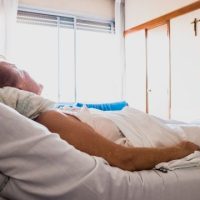
Bed sores are painful ulcers which open when the skin breaks down due to constant pressure. Also called pressure sores or pressure ulcers, they are common in nursing homes, where sick and elderly residents are unable to move themselves. When left untreated, a bed sore can begin to damage underlying tissue, including nerves and bones. Bed sores are usually a sign that a nursing home has been negligent in taking care of a resident. Contact Pita Weber Del Prado today to discuss whether you can legally hold a nursing home accountable for a sore.
Why Bed Sores Are Dangerous
Sustained pressure can ultimately reduce blood flow to the skin, resulting in damaged tissue. Bed sores are common on bony areas of the body, such as the hips, shoulder blades, heels, and elbows. The primary way to minimize pressure sores is to reposition a person regularly if they cannot move themselves.
Once a bed sore develops, it can become infected. Left untreated, these sores can damage tissue deeper in the body, exposing it to bacteria. Some bed sores develop cellulitis, which is a dangerous infection.
Doctors classify bed sores primarily based on their depth:
- Stage 1. The skin is unbroken, although red. A patient might feel pain or itching, but a bed sore is easiest to treat at this stage if caught early.
- Stage 2. A blister appears at the site, and the sore is more painful.
- Stage 3. A crater forms as the blister goes deeper into the body, usually reaching the underlying layer of skin.
- Stage 4. This is the most serious stage, with a large and open wound. Bones and tendons might be exposed with a Stage 4 bed sore.
The risk of bed sores increases due to perspiration or incontinence. A nursing home resident who urinates in bed can develop bed sores around the buttocks and hips.
Can Nursing Homes Prevent Bed Sores?
Yes. The goal should be to regularly reposition a resident so that they do not put pressure for an extended period on one part of their body. Unfortunately, some nursing homes are short-staffed, and staff might overlook Stage 1 sores.
Because pain is a common symptom, some bed sores are undetected because a resident cannot talk. Nonetheless, that is not an excuse for a bed sore to progress to Stage 2. If caught early, a bed sore should heal reasonably quickly if staff relieve pressure and provide other appropriate treatment.
If infection sets in, then a resident can deal with cascading problems, including sepsis, septic shock, and possibly death. Once the nursing home discovers the bed sore, they should respond quickly and follow the correct standard of care. They should watch for infections and other complications.
Call Our Office to Discuss Nursing Home Neglect
Vulnerable nursing home residents need quality care, but that care is sometimes lacking in many of the state’s nursing homes. Call Pita Weber Del Prado today. A Miami nursing home abuse lawyer can explain what steps to take next, such as whether to file a legal claim against the nursing home.
Source:
webmd.com/skin-problems-and-treatments/pressure-sores-4-stages
