


More People, More Problems? How Miami’s Population Growth Is Changing Traffic Safety Risks
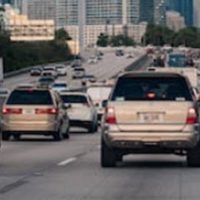
Ask any longtime resident about traffic and you will get a sigh. Miami-Dade has grown dramatically in recent years, but here is a twist most people miss: the numbers tell a more complicated story than “more people, more crashes.” For anyone hurt on local roads, and for the Miami car accident lawyers who represent them, understanding that complexity helps explain why certain collisions keep happening.
The Growth Story Has a Plot Twist
According to U.S. Census Bureau estimates reported by local news, Miami-Dade reached roughly 2.8 million residents in 2025, about 3.7 percent more than in 2020. Yet between 2024 and 2025, the county actually lost more than 10,000 residents, one of the largest numeric declines in the nation.
So why does traffic still feel worse? Because raw population is only part of the picture. What has changed just as much is how people live, move, and fill the streets.
Where the Risk Is Actually Shifting
Growth in Miami has not spread out evenly. It has stacked up. New residential towers in Brickell, Edgewater, Wynwood, and Downtown have packed thousands of people into walkable neighborhoods, and that density reshapes the danger on the road in several ways:
- More pedestrians and scooter riders are crossing busy corridors that were designed for cars first
- Rideshare and delivery drivers stop, double park, and pull into traffic constantly, often while checking an app
- Construction zones narrow lanes, reroute sidewalks, and bring heavy trucks into dense neighborhoods
- Newcomers and short-term renters drive unfamiliar routes, sometimes relying entirely on GPS prompts
- Congestion encourages frustrated drivers to speed, weave, and run late yellow lights once traffic finally opens up
Here is the curious part. A county can lose residents on paper while turnover stays high. People moving out are often replaced by people moving in, and every new arrival has to learn Miami’s roads, its unmarked turn lanes, and its unwritten rules of the expressway.
What the Crash Data Suggests
Data from the Florida Department of Highway Safety and Motor Vehicles shows that Miami-Dade consistently records more crashes than any other county in the state, with roughly 60,000 crashes reported in 2024 alone. Some recent figures show modest improvement. Still, sixty thousand crashes a year means well over a hundred collisions every single day.
Density also changes who gets hurt. When more trips happen on foot, by bike, or on a scooter, crashes are more likely to involve people with no steel frame protecting them.
Why This Matters After a Crash
Crashes in crowded urban areas often involve more than two parties. A rideshare driver, a delivery company, a construction contractor, or a government agency responsible for a poorly designed intersection may all play a role. Pinning down who is responsible means gathering evidence fast, including camera footage that many buildings and businesses erase within days.
Talk With Us Before the Details Fade
If you were injured in a crash, Pita Weber Del Prado can help you make sense of what happened and who should pay for it. Our Miami car accident attorneys handle these cases on a contingency fee basis, so you pay nothing unless we recover compensation for you. Reach out today and we will start building your claim while the evidence is still fresh.
Source:
islandernews.com/news/florida/miami-dade-growth-slows-as-census-shows-recent-population-dip/article_93cf5a2a-f4ec-4bed-b55c-c4fa19857392.html
