


The Burned Out Bulb That Turns Into a Legal Problem
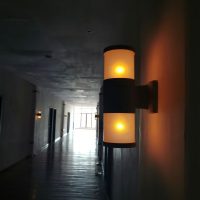
Walk through almost any parking garage in Miami after dark and you will notice the same thing: a stretch of concrete where the lights work fine, and a corner where they do not. Most people barely register it. Property owners should, because that dim corner is exactly where negligent security claims tend to start. Our Miami negligent security lawyers spend a surprising amount of time examining something as ordinary as a light fixture.
Why Lighting Carries So Much Legal Weight
A negligent security claim does not accuse a property owner of committing a crime. It argues that the owner failed to take reasonable precautions against a crime that was foreseeable, and that this failure created the opportunity for someone to get hurt. Florida law does not leave “reasonable” entirely open to interpretation. Florida Statute 768.0706, enacted as part of the state’s 2023 tort reform, lets multifamily property owners earn a legal presumption against liability if they substantially implement specific security measures, including parking lot lighting averaging at least 1.8 foot-candles per square foot, measured 18 inches above the surface, from dusk until dawn.
That figure is useful well beyond apartment complexes. Even at a commercial garage or entertainment venue where the statute does not directly apply, it gives attorneys and juries a concrete benchmark for what the state considers adequate illumination. A property that falls far short of that standard is much harder for an owner to defend as safe.
The Questions That Actually Decide These Cases
Whether a lighting failure amounts to negligence usually comes down to a handful of recurring facts:
- Had similar incidents happened on or near the property before this one occurred
- How long had the lighting problem existed before the injury, and did the owner know or reasonably should have known about it
- Were there working cameras, controlled entry points, or patrols that a property of this type would ordinarily need
- Did the darkness or blind spot directly create the opportunity for the attack or injury to happen
Foreseeability is often the hardest piece to establish, and it depends heavily on records that property owners control, such as incident logs, maintenance requests, and prior police calls to the location.
Evidence Does Not Wait
Bulbs get replaced. Maintenance logs get overwritten. Security footage gets deleted on a rolling cycle that can run as short as thirty days. Florida’s two year filing deadline for most negligence claims sounds generous until you consider how quickly the physical proof of a hazard disappears. Early investigation is not a scare tactic; it is often the only way to capture what a property actually looked like on the night someone got hurt.
Property owners have a legal duty to keep shared spaces reasonably safe, and when they cut corners on something as basic as lighting, the people who pay for it are the ones walking to their cars. We at Pita Weber Del Prado want to hear from you if that happened to you or someone you love. Reach out so we can start preserving the evidence before it disappears.
Source:
flsenate.gov/Laws/Statutes/2024/0768.0706
