


Storm Season and Slippery Floors: How Extreme Weather Complicates Miami Premises Liability Claims
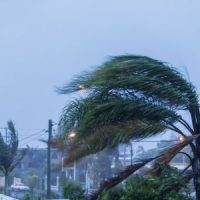
Miami doesn’t do subtle weather. Afternoon downpours arrive with almost clockwork regularity, hurricane season stretches from June through November, and flash flooding can turn a parking lot into a shallow lake within minutes. Ever wonder how a sudden storm changes the legal picture when someone slips inside a grocery store or trips on a flooded walkway? The answer is more complicated than it might seem at first glance.
The Standard Property Owners Must Meet
Under Florida Statute 768.0755, a person injured by a slip and fall on a transitory substance inside a business must prove the establishment had actual or constructive knowledge of the hazard and failed to address it. Constructive knowledge can be shown if the dangerous condition existed long enough that reasonable care should have caught it, or if similar conditions occurred so regularly that the hazard was foreseeable. Extreme weather adds a wrinkle here. Water tracked in from a storm is treated differently than a spill from negligence, since courts generally recognize that some water accumulation during heavy rain is unavoidable.
Why Weather Doesn’t Excuse Everything
Does a hurricane or tropical downpour give property owners a free pass? Not exactly. Businesses are still expected to take reasonable precautions once weather turns severe. That might include:
- Placing mats or slip-resistant flooring near entrances during rainy periods.
- Posting visible wet floor signage.
- Inspecting walkways and parking areas after storms for debris, downed branches, or standing water.
- Repairing drainage issues that predictably worsen during heavy rain.
A property owner who ignores a known drainage problem year after year, only to see it flood again during the next storm, may struggle to argue the hazard wasn’t foreseeable.
Documenting a Weather-Related Injury
Because these cases often hinge on timing and foreseeability, evidence matters enormously. Photos of the hazard, weather reports from the day of the incident, and records of prior complaints about the same location can all shape whether a claim succeeds. Insurance companies frequently argue that stormy conditions were simply an act of nature, so building a record that shows negligence beyond the weather itself becomes essential.
Storms may be unpredictable, but the legal responsibilities of property owners are not written in disappearing ink. If you were hurt on a rain-slicked floor or a flooded walkway anywhere in Miami, our Miami premises liability attorneys can help sort out what the property owner knew and when. Call Pita Weber Del Prado for a free consultation.
Source:
flsenate.gov/Laws/Statutes/2024/0768.0755
