


One Wrong Step: The Hidden Dangers of Stairway Accidents in Florida Buildings
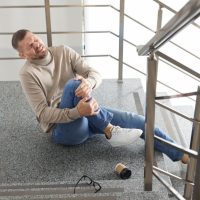
Most people don’t give staircases a second thought. You grab the railing, take the steps, and move on. But stairways are one of the most consistently hazardous features in any Florida building, and when something goes wrong on them, the injuries are rarely minor. Fractured bones, traumatic brain injuries, and spinal damage are all too common outcomes of a stairway fall.
The Surprising Scope of the Problem
According to the National Safety Council, falls are the third leading cause of unintentional injury-related death in the United States, and stairway accidents account for a significant share of those falls. In Florida, where older buildings mix with newer construction, stairway conditions vary widely and are often inadequately maintained.
The law doesn’t leave this to chance. Florida’s building codes set specific requirements for stair design, including minimum and maximum riser heights, tread depth, handrail height and continuity, and required lighting levels. When a property owner deviates from these standards or allows a compliant stairway to fall into disrepair, they can be held liable for resulting injuries.
What Causes Stairway Accidents?
The answer, in most cases, is negligence. Not dramatic negligence, but the quiet, gradual kind that develops when property owners stop paying attention. Common causes include:
- Broken or missing handrails that offer no support when a person starts to lose balance
- Uneven riser heights that disrupt a person’s natural stride and cause missteps
- Worn, torn, or missing stair treads, particularly in carpeted stairways
- Poor lighting that makes it difficult to judge depth and distance between steps
- Wet or slippery surfaces with no non-slip strips or warning signage
- Debris or clutter left on steps in common areas or stairwells
Any one of these conditions can send someone tumbling down a flight of stairs.
Who Has a Legal Obligation to Fix It?
In apartment buildings, office towers, hotels, and retail spaces, the property owner and manager are generally responsible for maintaining stairways in safe condition. This includes routine inspections. If they knew about a defect, or if a reasonable inspection would have revealed it, and they failed to repair it, they may be liable under Florida premises liability law.
The challenge is proving it. Property owners rarely admit they knew about a problem. That is why documentation is so important. If you fall on a dangerous staircase, photograph the conditions immediately if you are able to. Report the incident to building management and ask for a written incident report. Seek medical attention right away, even if you feel like you might be okay. Adrenaline masks pain, and delayed care can complicate both your recovery and your claim.
Talk to an Attorney Before the Evidence Disappears
Stairway accident cases can move quickly in the wrong direction if evidence is not preserved. Buildings get repaired or renovated, and the very defect that caused your fall can disappear before anyone documents it properly.
Pita Weber Del Prado represents injury victims across Miami and the surrounding area. If you were hurt on a dangerous stairway, contact our firm to speak with a Miami premises liability lawyer who understands how to build a strong premises liability case. We offer free consultations, and there are no fees unless we win.
