


When Medical Devices Malfunction: The Hidden Risk Inside Your Own Body
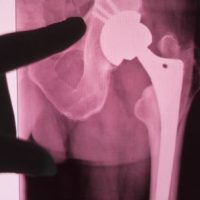
We tend to think of medical devices as solutions, not sources of harm. A hip implant restores mobility. A pacemaker keeps a heart beating steadily. An insulin pump manages a chronic condition quietly in the background. But when these devices are poorly designed, manufactured with flaws, or sold without adequate warnings, the very products meant to heal can cause devastating injuries instead.
Defective medical device cases sit at an unusual intersection of medicine, engineering, and law. Unlike a car or a toaster, a device implanted in the body cannot simply be unplugged or returned. Removing or replacing it often requires additional surgery, additional risk, and additional recovery time that the patient never agreed to undertake.
Why Devices Fail
Medical device failures generally trace back to one of a few root causes. A device might suffer from a design defect, meaning the entire product line carries an inherent flaw regardless of how carefully it was manufactured. Alternatively, a manufacturing defect might affect only certain batches, perhaps due to a contaminated production run or a faulty component supplier. Finally, a device may be reasonably well designed but sold with inadequate instructions or warnings about its risks, leaving doctors and patients unable to make fully informed decisions.
The U.S. Food and Drug Administration regularly issues recalls and safety communications when devices prove dangerous. These recalls are searchable through the FDA’s public database and often provide critical documentation for injured patients pursuing legal claims. Hip and knee implants, surgical mesh, insulin pumps, and certain heart devices have all faced significant recalls in recent years.
Building a Strong Claim
Florida law allows injured patients to pursue claims against manufacturers under theories of strict liability, negligence, or breach of warranty, depending on the facts. Strict liability claims can be particularly powerful because they do not require proving the manufacturer was careless, only that the product was unreasonably dangerous when it left the factory.
Evidence matters enormously in these cases. Patients should preserve the device if it has been removed, gather complete surgical and follow up records, and document every symptom that developed after implantation. Manufacturers and their insurers will scrutinize every detail, so thorough documentation early on can make a meaningful difference later.
It is also worth noting that liability does not always rest with the original manufacturer alone. Distributors, component suppliers, and sometimes even hospitals can share responsibility depending on how the defect arose and who knew or should have known about the risk.
Let Us Investigate What Went Wrong
If a medical device has harmed you or someone you love, you deserve answers about why it failed and who should be held responsible. These cases require careful investigation, often involving engineering experts and detailed review of manufacturing records that ordinary patients simply cannot access on their own.
Pita Weber Del Prado has the resources and experience to take on device manufacturers and their legal teams. Our Miami product liability lawyers can evaluate your case, identify the responsible parties, and pursue the compensation your recovery requires. Contact our office today to discuss what happened and what comes next.
